SEO is dead. Well, the SEO you knew.
SEO isn't dead -- it evolved. The rules changed, the signals shifted, and the companies still playing by 2020 rules are losing. Here's the new game.
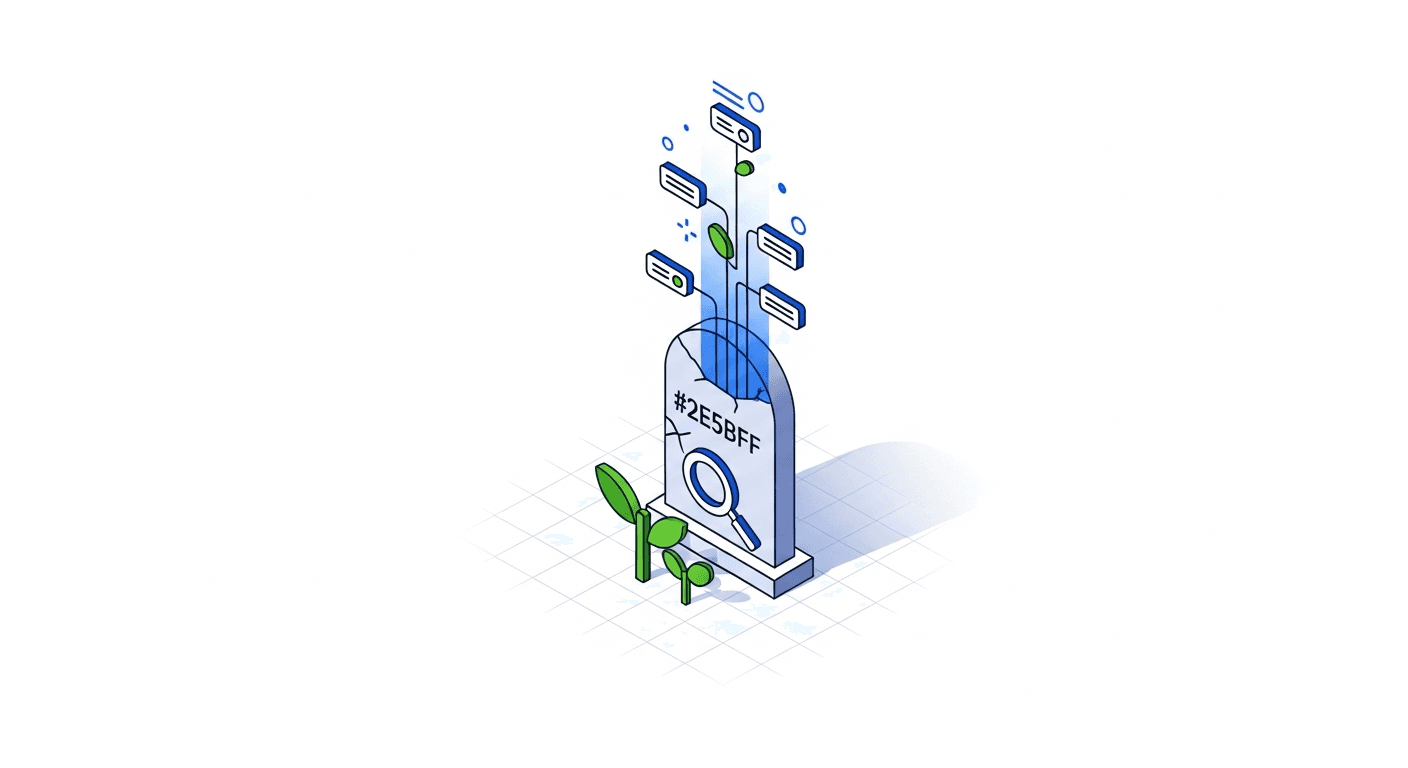
"SEO is dead" trends on Twitter every six months. It's been "dying" since 2012. And every time, the people who declare it dead are wrong -- and the people who ignore the changes are also wrong.
This time, something genuinely different is happening.
What actually died
Let's be precise. What died isn't SEO as a discipline. What died is a specific version of SEO that many agencies still sell.
Informational content farming is dead. Publishing 50 articles per month on "What is X?" and "How to Y?" to capture informational traffic used to work. Now AI answers those questions directly. Those articles still get indexed, but the clicks are gone. AI Overviews, ChatGPT, and Perplexity answer "What is content marketing?" better than your 1,500-word blog post ever did.
Keyword-first content strategy is dead. Writing articles because a keyword has 10,000 monthly searches, without considering whether the content adds any unique value, is a losing strategy. LLMs don't rank by keywords. They cite by authority and usefulness.
Link building as the primary lever is dying. Backlinks still matter for Google rankings. But for AI visibility -- which is where the growth is -- brand mentions matter more than links. A Reddit comment praising your product carries more weight in LLM responses than a guest post backlink from a DR60 site.
What's alive and thriving
Technical SEO is more important than ever. Structured data, schema markup, site architecture, crawlability -- these matter for both Google and AI. The machines that power AI need your site to be technically sound to understand you.
E-E-A-T is the new currency. Experience, Expertise, Authoritativeness, Trustworthiness. Google introduced it; AI amplified it. LLMs evaluate who wrote the content, whether they're credible, and whether other sources confirm their expertise. Anonymous content from "the team" carries almost no weight.
Brand building is SEO now. The companies that appear in AI responses are the ones with strong brands. Not strong websites -- strong brands. Brand mentions across multiple platforms, consistent messaging, recognized expertise. The old SEO could ignore branding. The new SEO can't.
The companies that are winning
We work with about 30 B2B companies across Belgium and France. The ones that are growing their visibility (across Google AND AI) share a pattern:
They publish less content, but better content. 2-4 articles per month instead of 12, but each one contains original data, expert insights, or unique perspectives.
They invest in off-site presence. LinkedIn thought leadership, industry event speaking, podcast appearances, press mentions. Every mention is a signal that both Google and AI pick up.
They treat structured data as a priority, not an afterthought. Complete schema markup, llms.txt, consistent entity information across all platforms.
They measure AI visibility alongside Google rankings. Tracking how often they're cited by ChatGPT, Perplexity, and Gemini -- not just their position on page 1 of Google.
What this means for your budget
If you're spending $5,000/month on SEO that's entirely focused on keyword rankings and link building, you're investing in a depreciating asset. Not worthless -- depreciating. The ROI is declining, and it will continue to.
Reallocate 30-40% toward AI visibility: brand mentions, structured data, review platform management, content that answers the questions people ask ChatGPT. This isn't replacing SEO. It's evolving it.
The companies that understand this transition are building competitive moats. The ones that cling to 2020 SEO playbooks are building on sand.
SEO isn't dead. But the SEO you knew? That's gone. And it's not coming back.
Co-founder and COO of AISOS. GEO Expert, he builds the AI visibility system that turns businesses from invisible to recommended.


