Anthropic launches 9 connectors and reveals its strategy: how creative companies can benefit
Anthropic has deployed 9 Claude connectors targeting creative industries. Analysis and practical guide for B2B agencies and studios.

What the Massive Rollout of 9 Claude Connectors Reveals
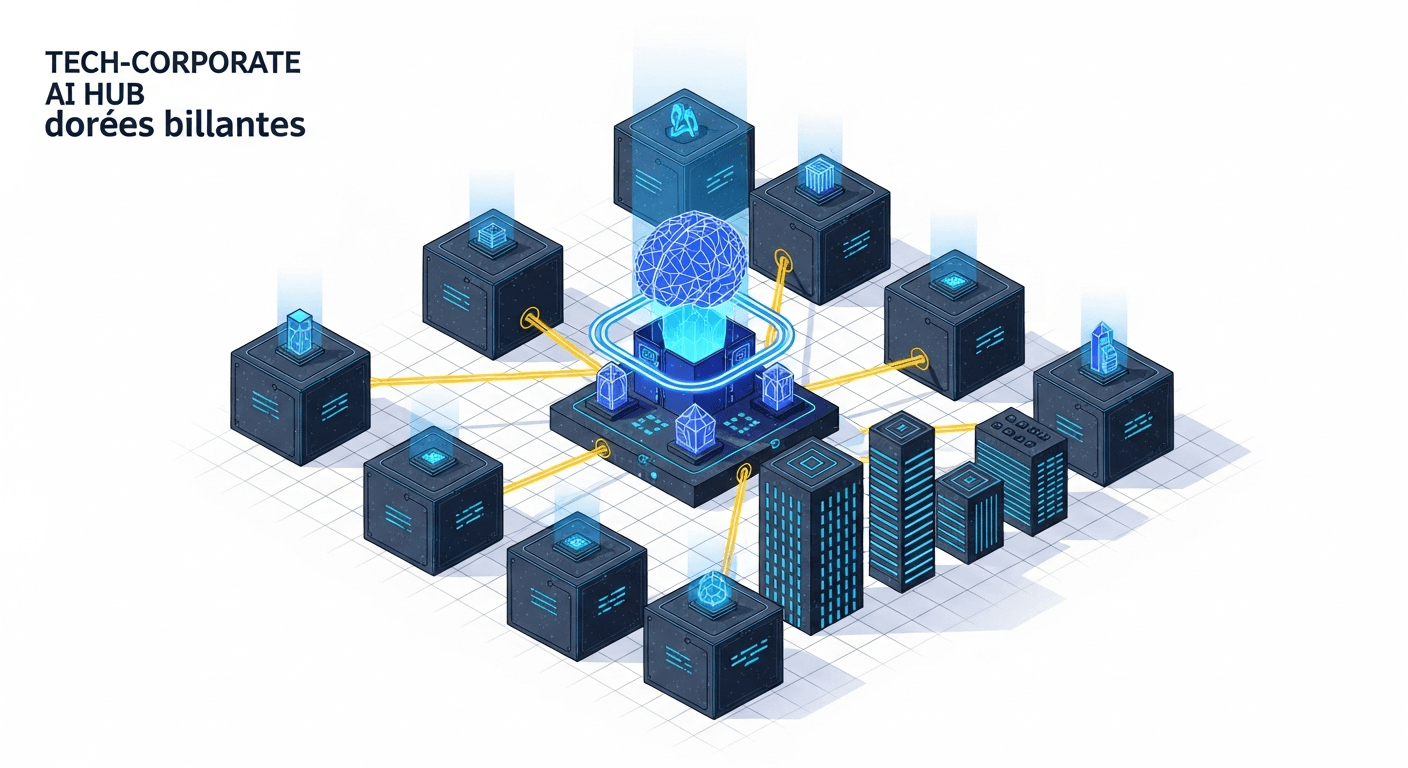
Anthropic has just simultaneously launched nine connectors for Claude, its AI assistant. This massive deployment isn't coincidental: it clearly reveals the company's strategy to capture the creative industries. Figma, Notion, Google Drive, Dropbox, Asana, Trello, Airtable, Slack, and GitHub can now connect directly to Claude.
For creative agency leaders, production studios, or B2B companies in the cultural sector, this announcement represents a concrete opportunity. These connectors allow Claude to directly access company files, projects, and conversations, transforming the AI assistant into a genuine collaborator integrated into existing workflows.
In this article, we decode the strategic logic behind this launch, identify the most relevant use cases for creative SMEs and mid-market companies, and provide a practical guide to leverage these tools immediately.
The 9 Claude Connectors: Complete Overview and Features
File Management and Design Connectors
Figma: Claude can now analyze your mockups, extract design specifications, and generate detailed descriptions for developers. For a digital agency, this means automating technical brief writing from Figma files.
Google Drive and Dropbox: The AI accesses your cloud-stored documents. It can synthesize reports spanning dozens of pages, extract key information from client presentations, or compile data scattered across different folders.
Project Management Connectors
Asana, Trello, and Airtable: These three connectors directly target creative teams juggling multiple projects. Claude can analyze task progress, identify bottlenecks, and suggest resource reallocations. A production studio can ask Claude to generate a weekly consolidated report of all ongoing projects.
Notion: The Notion connector allows Claude to tap into the company's knowledge base. Internal documentation, business processes, project history: everything becomes accessible to enrich the AI's responses.
Communication and Development Connectors
Slack: Claude can analyze team conversations to extract decisions made, action items, and information scattered across channels. For an agency with multiple clients, this represents considerable time savings in tracking exchanges.
GitHub: Creative companies developing applications or websites can connect their repositories. Claude analyzes code, suggests improvements, and assists with technical documentation.
Anthropic's Strategy Decoded: Why Creative Industries
This simultaneous deployment of nine connectors isn't random. Anthropic explicitly targets creative industries for several strategic reasons.
A Fragmented Market Under-Equipped with AI
Creative agencies, design studios, and production companies use an average of 8 to 12 different tools daily. This fragmentation creates an opportunity for an AI capable of centralizing access to this scattered data. According to a Gartner study, creative professionals lose an average of 5.3 hours per week searching for information across different tools.
Anthropic positions Claude as the intelligent hub connecting these silos. The added value is immediate: less time wasted, more context available for each task.
Repetitive Workflows with High Automation Potential
Creative industries paradoxically combine creativity with highly repetitive processes. Client briefs, progress reports, technical specifications, meeting summaries: these documents follow standardized formats. Claude can generate them automatically by drawing from connector data.
At AISOS, we observe that creative companies automating these administrative tasks free up an average of 15 to 20% of their teams' time for high-value work.
Competitive Positioning
OpenAI and Google focus on generalist integrations. Anthropic chooses a vertical approach by targeting specific sectors with adapted connectors. This strategy creates superior perceived value for creative companies that find exactly the tools they need.
Practical Guide: Setting Up and Using Claude Connectors in Your Business
Step 1: Audit Your Current Workflows
Before activating connectors, identify the three or four processes that consume the most time in your organization. Questions to ask:
- What repetitive tasks occupy your teams each week?
- Where is the information needed for these tasks located?
- Which tools are involved in these processes?
Examples of candidate processes: client report generation, creative brief writing, feedback synthesis, multi-tool project tracking.
Step 2: Activate Relevant Connectors
Log into Claude Pro or Claude Enterprise. In settings, access the "Integrations" section and activate connectors corresponding to your tools. Each connector requires OAuth authorization to access your data.
Security recommendation: Start with a pilot project using non-sensitive data. Verify granted permissions and limit access to necessary folders or channels.
Step 3: Create Specific Business Prompts
The power of connectors lies in customized prompts. Here are examples adapted to creative companies:
- Digital agency: "Analyze the Figma file for project X and generate technical specifications for the development team, including dimensions, colors, and interactions."
- Production studio: "Review Asana tasks for project Y and write a progress report for the client, mentioning completed deliverables and next steps."
- Communications agency: "Synthesize Slack conversations from project Z channel over the past two weeks and extract key decisions and action items."
Step 4: Measure and Optimize
Define performance indicators to evaluate connector impact:
- Time saved per week on automated tasks
- Reduction in errors or oversights in processes
- User team satisfaction
After one month of use, adjust your prompts and extend usage to other processes.
Concrete Use Cases for Creative SMEs and Mid-Market Companies
Design Agency: Automating Developer Handoffs
A 25-person UX/UI design agency uses Figma for all projects. With the Claude connector, it automates technical specification generation. Result: designers save 4 hours per week and developers receive more complete and standardized briefs.
Video Production Studio: Centralizing Project Tracking
A production studio with projects scattered across Trello, Google Drive, and Slack uses Claude to generate weekly client reports. The AI automatically compiles task status, latest deliverable versions, and relevant exchanges. Report preparation time drops from 2 hours to 15 minutes.
Communications Agency: Leveraging Knowledge Base
An agency documenting all processes and client cases in Notion uses the connector to accelerate commercial proposal writing. Claude draws from past references, documented methodologies, and achieved results to generate personalized and well-argued proposals.
Limitations and Considerations for Businesses
Client Data Confidentiality
Connectors give Claude access to potentially sensitive data. For agencies working with clients demanding strict confidentiality, this exposure may pose problems. Solutions:
- Initially limit connectors to internal projects
- Create separate workspaces for sensitive data
- Verify client contract confidentiality clauses before using their data with AI
Dependency on Proprietary Ecosystem
By massively adopting Claude connectors, companies create dependency on Anthropic. If pricing conditions evolve or a competitor offers better features, migration will be costly. Advice: document your prompts and processes to facilitate potential transition.
Learning Curve and Internal Adoption
Connectors only work if teams actually use them. Plan training time and identify internal ambassadors to support adoption. AISOS audits reveal that companies designating an internal AI champion achieve adoption rates 3 times higher.
Impact on AI Search Engine Visibility
Beyond operational use, these connectors have implications for ranking in AI search engines like ChatGPT, Perplexity, or Google AI Overview.
Creative companies that properly structure their data in Notion, Airtable, or Google Drive create information corpora exploitable by AIs. This structuring improves AI engines' ability to understand and cite these companies in their responses.
For an agency wanting to appear in ChatGPT responses to queries related to its expertise, documenting methodologies and client cases in structured formats becomes a visibility lever.
Summary: What Creative Leaders Should Remember
The deployment of 9 Claude connectors marks a turning point for creative industries. Anthropic is betting on this sector with tools directly integrated into existing workflows. For creative SMEs and mid-market companies, the opportunity is threefold:
- Immediate productivity gains: automation of repetitive administrative tasks
- Better data exploitation: centralized access to scattered information
- Competitive advantage: ability to deliver faster and at lower cost
Implementation requires a methodical approach: workflow audit, progressive connector activation, business prompt creation, and results measurement. Companies adopting these tools now gain significant advantage over competitors.
To go further and evaluate how your company can leverage these connectors while optimizing visibility in AI search engines, AISOS offers dedicated audits for creative companies.


